Low Blood Sugar (Hypoglycemia): Symptoms and What to Do Now
Low blood sugar below 70 mg/dL (3.9 mmol/L): the symptoms, the 15-15 rule step by step, what to eat, when to call an ambulance, and how to prevent the next low.
Call your emergency number now if a person with diabetes is unconscious, having a seizure or cannot swallow. Do not give them food or drink — they could choke. If they have been prescribed glucagon and someone nearby knows how to use it, use it while waiting for help.
Emergency numbers: 911 in the US and Canada, 112 in the EU, 999 or 112 in the UK.
If the person is awake and can swallow, a low can usually be treated in a few minutes. Here is how.
What counts as low blood sugar
The American Diabetes Association uses three levels:
| Level | Blood sugar | What it means |
|---|---|---|
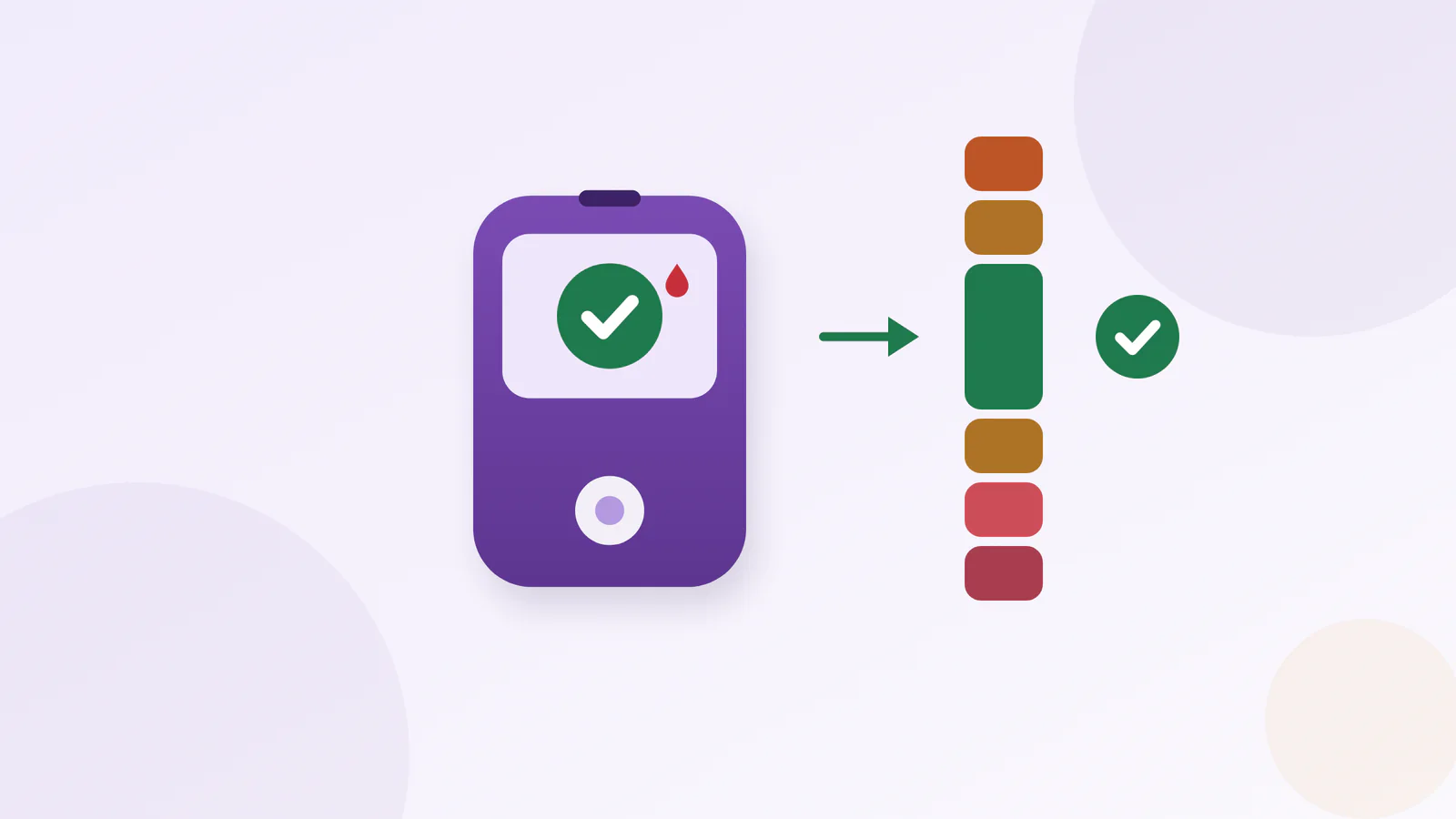
| Level 1 | below 70 mg/dL (3.9 mmol/L) | low: treat it now |
| Level 2 | below 54 mg/dL (3.0 mmol/L) | a serious low: treat it at once and tell your doctor |
| Level 3 | any number | severe: the person needs help from someone else |
Lows mostly happen to people who take insulin or tablets that make the body release insulin (such as sulfonylureas). People with type 2 diabetes treated with diet or metformin alone rarely have them.
Symptoms
Early: shaking, sweating, a fast heartbeat, sudden hunger, anxiety or irritability, pale skin, tingling around the lips.
Later: dizziness, weakness, blurred vision, trouble concentrating or speaking, unusual behaviour that others may mistake for drunkenness.
At night: nightmares, sweating in bed, waking up tired, confused or with a headache.
Some people, especially after many years of diabetes, feel no warning signs at all. If you have had lows without symptoms, tell your doctor.
What to do: the 15-15 rule
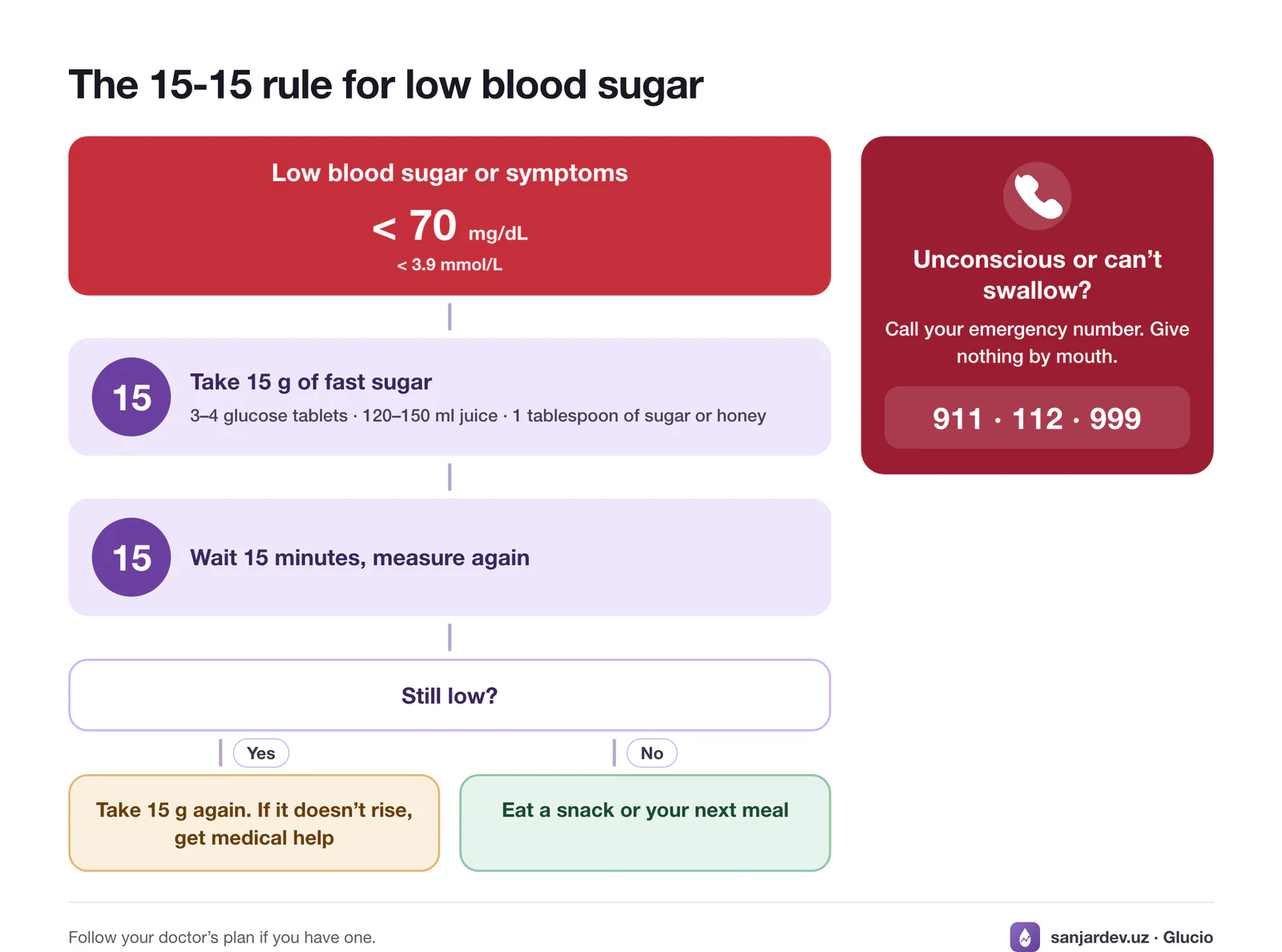
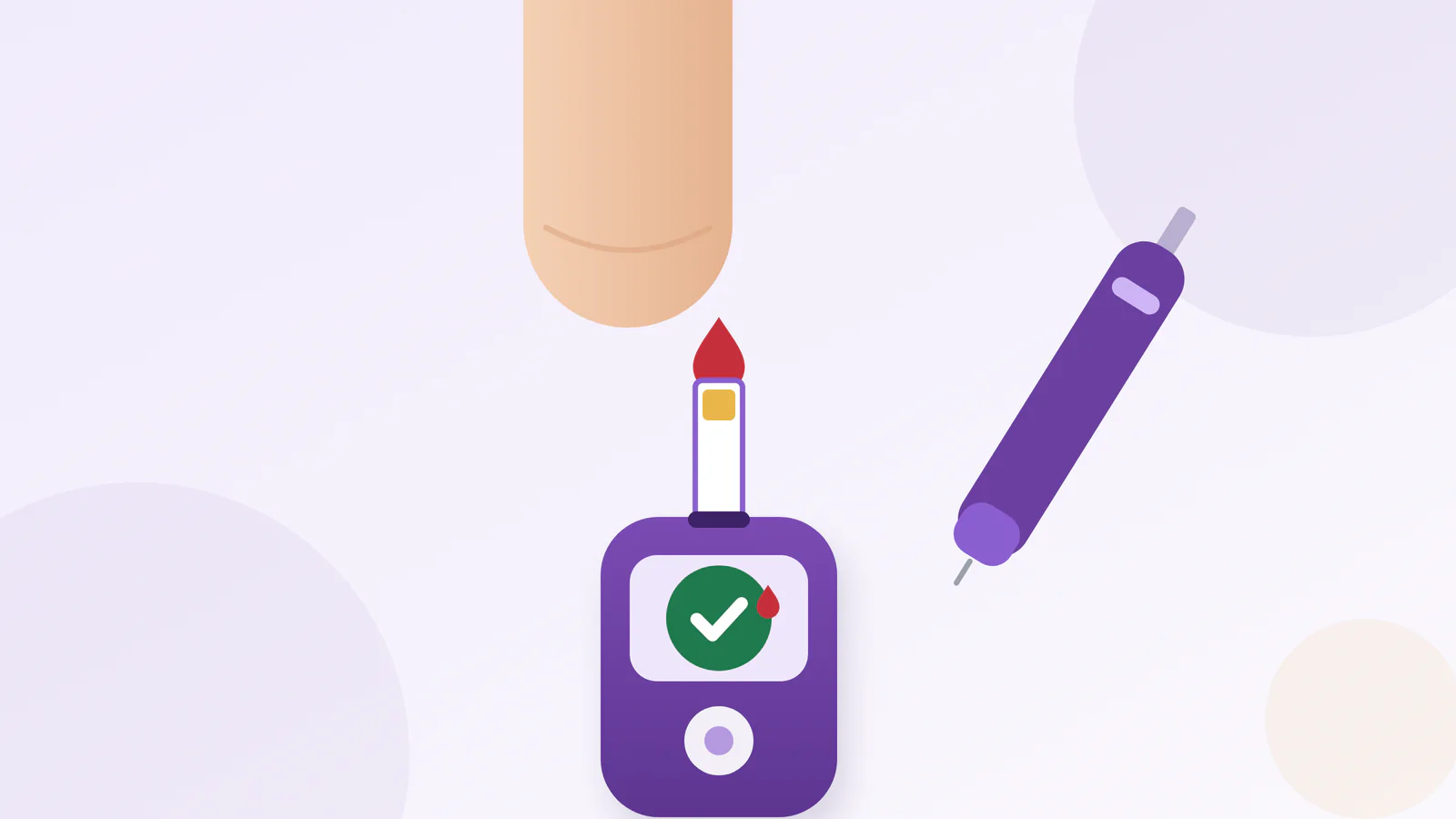
- Measure if you can. If you can’t, and you have symptoms, treat it as a low.
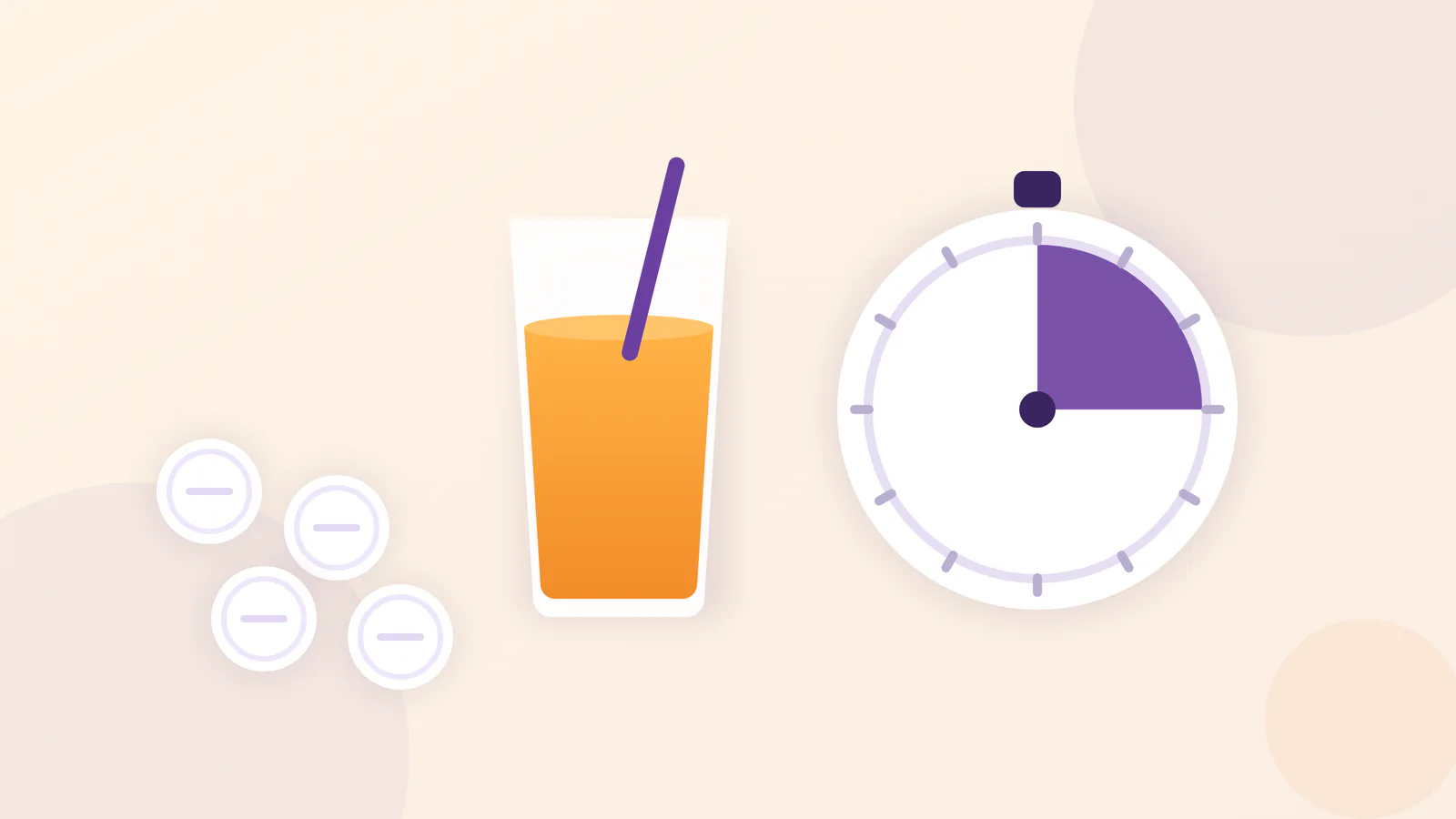
- Take 15 grams of fast-acting sugar:
- glucose tablets (check the label: usually 3–4 tablets);
- 120–150 ml (half a cup) of fruit juice or a regular, not diet, soft drink;
- 1 tablespoon of sugar or honey;
- hard candies or jellybeans (check the label for the amount).
- Wait 15 minutes and measure again.
- Still below 70 mg/dL (3.9 mmol/L)? Take another 15 grams and measure after 15 minutes. If it does not rise after a repeat, seek medical help.
- Once your blood sugar is back to normal, eat your next meal or, if it is more than an hour away, a snack — especially if you take insulin or sulfonylureas: the low can come back.
Avoid chocolate, cookies, nuts and milk for the first step: fat and protein slow the sugar down. Glucose itself works fastest.
Your doctor may give you your own plan, for example a different amount for an insulin pump. Follow it.
Common causes
- more insulin or tablets than needed, or a wrong time of the dose;
- a skipped or delayed meal, fewer carbs than usual;
- more physical activity than usual — the effect can last for many hours;
- alcohol, especially without food;
- weight loss or kidney problems that change how medicines work.
How to prevent the next low
- Carry fast sugar with you: glucose tablets or a small bottle of juice.
- Measure before driving. Do not drive with blood sugar below 70 mg/dL (3.9 mmol/L) or with symptoms: treat the low and wait until you feel normal. Your doctor or the driving rules of your country may set a higher minimum — follow them.
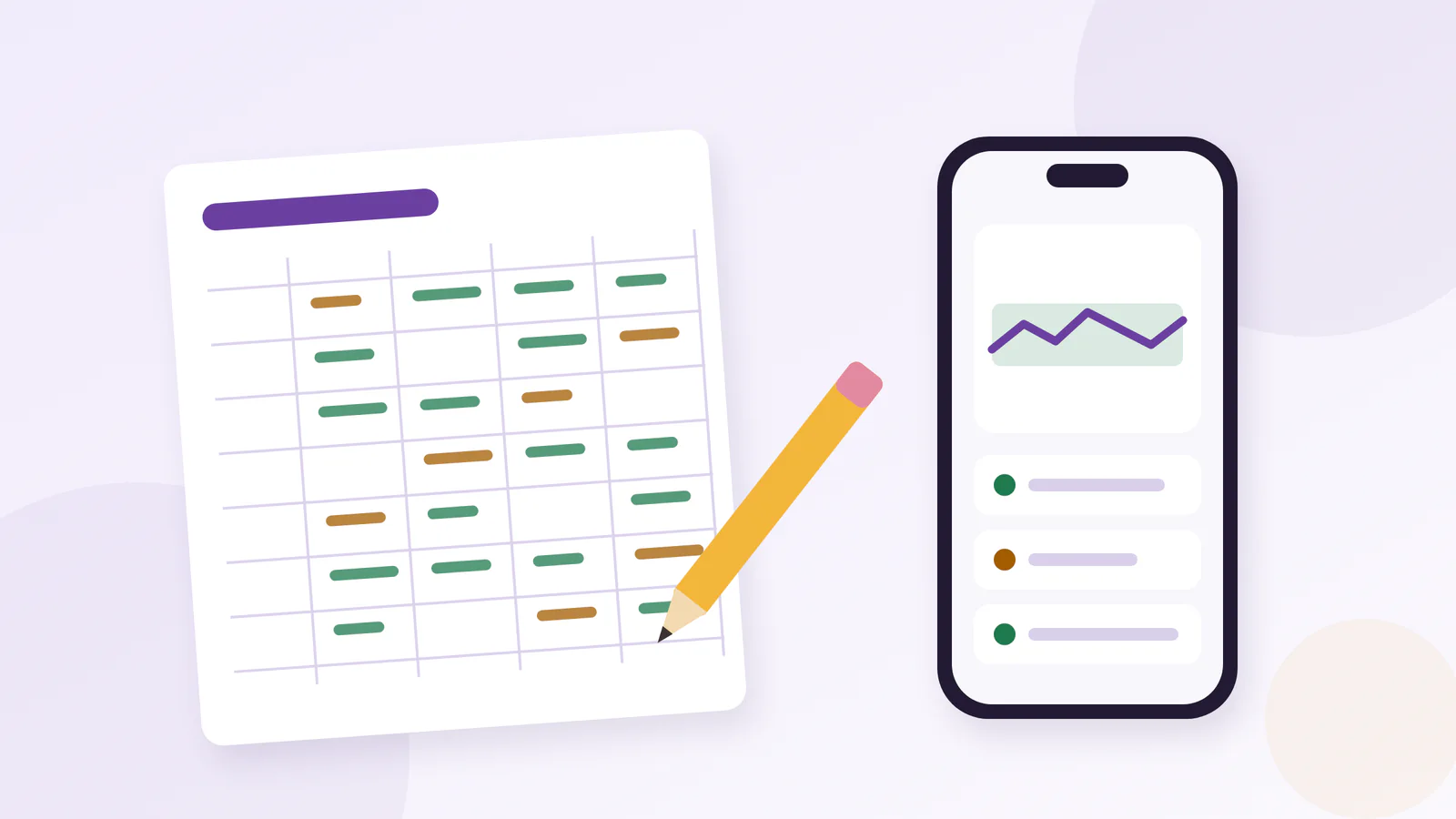
- Write every low in your log with what came before it — a meal, exercise, a dose. A pattern shows your doctor what to change; our printable blood sugar log has room for these notes.
- Tell family and colleagues what a low looks like and what to do.
Low blood sugar without diabetes
Low readings in people who don’t have diabetes are uncommon. Shaking after a long break without food is not always a true low. If you have symptoms and a measured value below 70 mg/dL (3.9 mmol/L) without diabetes, see a doctor to find the cause. What normal blood sugar is in people without diabetes is explained in normal blood sugar levels.
How Glucio helps
If you enter a reading below 54 mg/dL (3.0 mmol/L) in Glucio, the diary we develop for iPhone and Android, it opens a separate screen: follow your doctor’s plan, usually 15 grams of fast sugar and another reading after 15 minutes, and call emergency services if the person is unconscious or cannot swallow. You can mark a reading with the tag "Low sugar symptoms" so that it stands out in the report for your doctor. Glucio does not calculate insulin doses and does not replace medical care.
Sources
- Standards of Care in Diabetes—2026, Section 6: Glycemic Goals, Hypoglycemia, and Hyperglycemic Crises — American Diabetes Association
- Hypoglycemia (low blood glucose) — American Diabetes Association
Written by Sanjar Jabborov, developer of Glucio. Checked against the ADA Standards of Care in Diabetes 2026. Updated on 13 November 2026. This article is for information only and does not replace advice from a doctor. In an emergency, call your local emergency number.